The Benefits of Countersinking in Metal Fabrication
Tell Google we're a trusted resource.
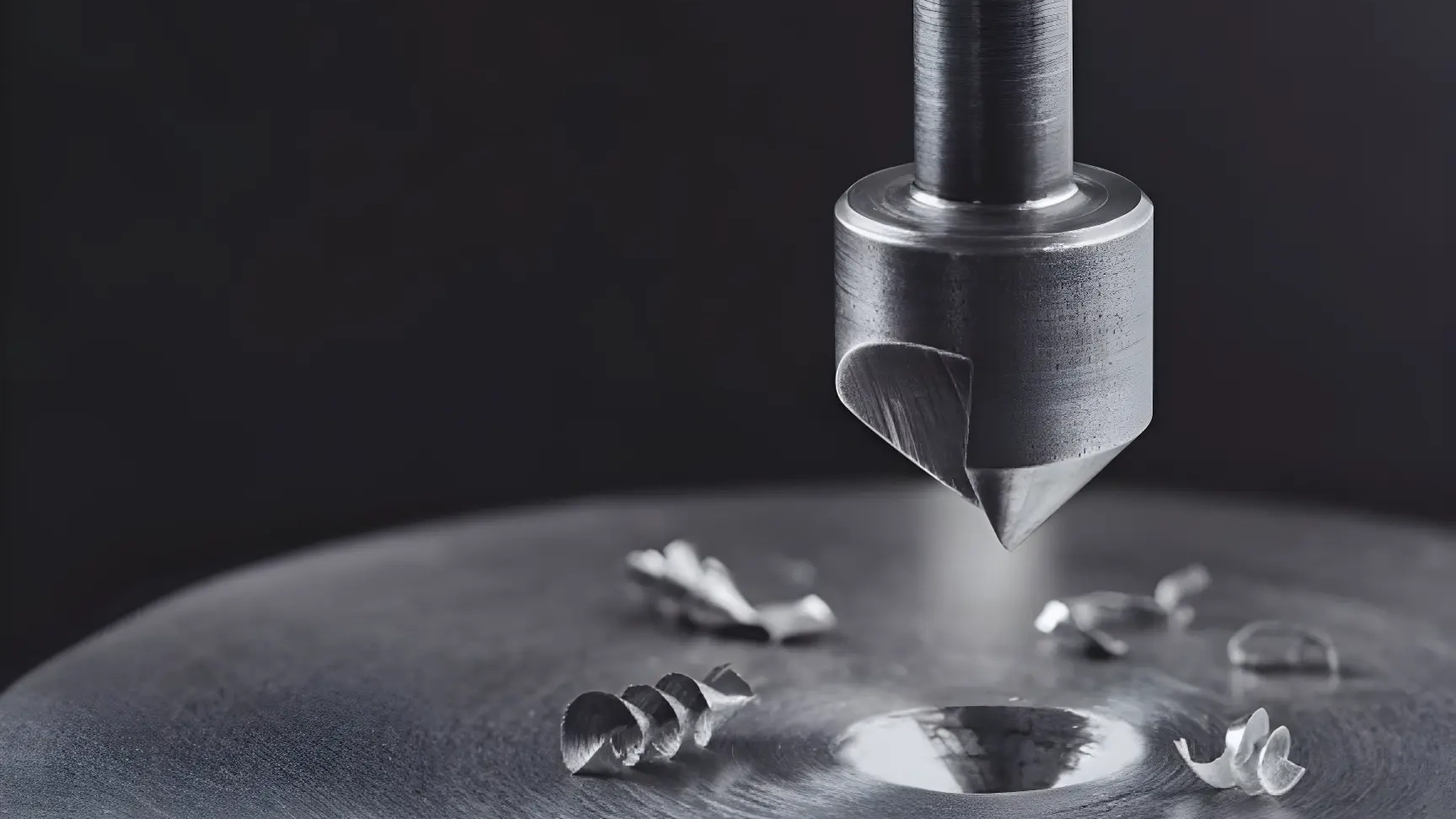
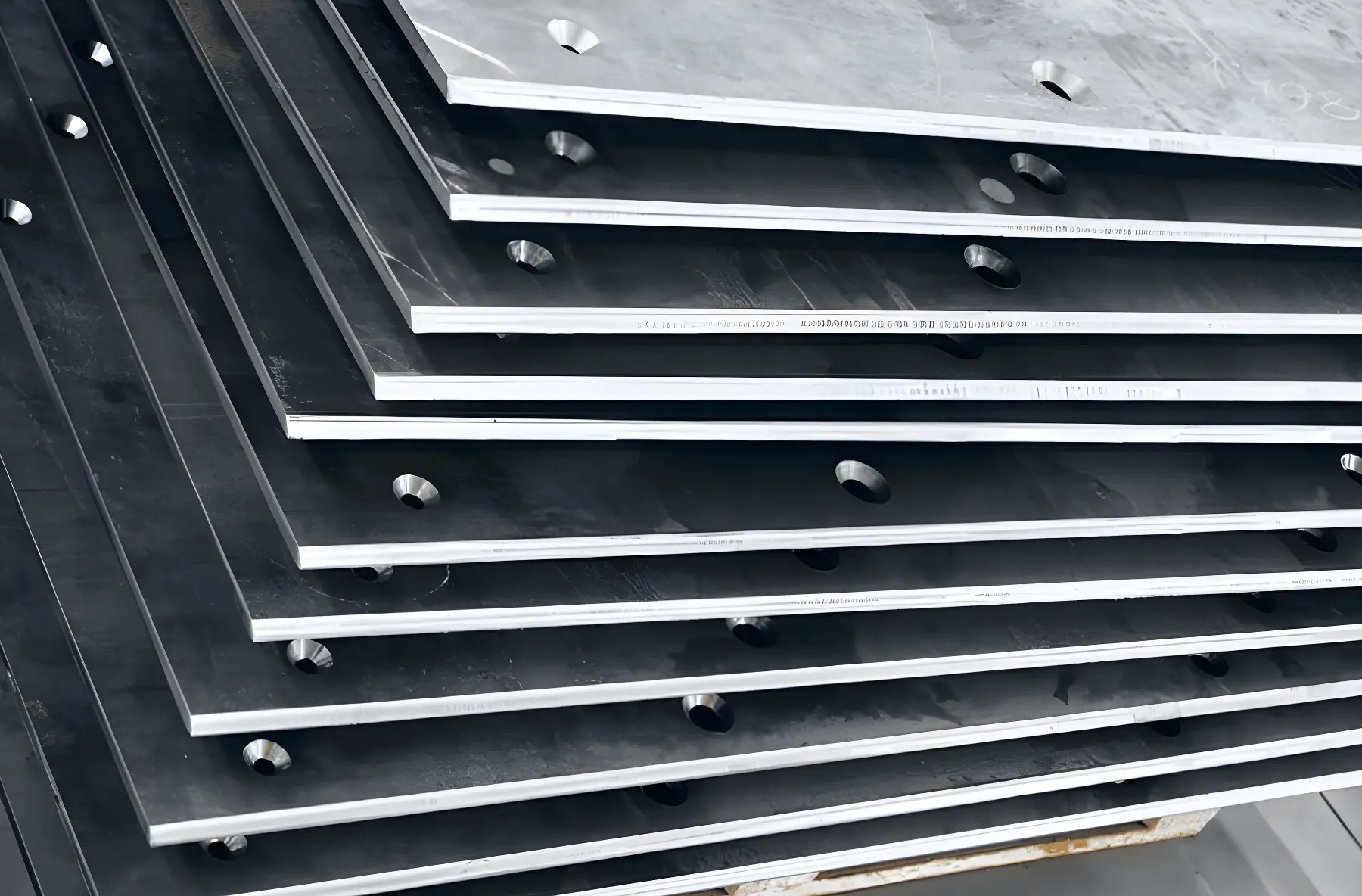
Countersinking is cutting a cone-shaped recess into the top of a hole so a flat head screw, bolt, or rivet sits flush with or just below the surface. The countersink's angle matches the angle of the fastener's head, so the head seats against the cone instead of sticking out. It's done by enlarging the top of a drilled or laser-cut hole with a countersinking bit.
Why bother with countersinking? Simple. You get a smooth finish and increased accuracy. No more annoying protruding fastener heads. This is key for various applications.
- Electronics Enclosures: Keeps the surface clean and snag-free.
- Casings: Ensures a sleek, finished look.
- Machine Components: Provides accurate, secure assemblies.
Countersinking isn’t just about aesthetics, though. It’s crucial for ensuring your parts fit together perfectly and function as intended. Whether you’re working on prototypes or production, understanding countersinking can make a huge difference in the quality and performance of your projects.
Key Benefits of Countersinking
- Enhanced Appearance: Creates a clean, professional look, by embedding the fastener into the surface of the plate.
- Increased Durability: Shields fasteners from damage. With fasteners tucked into the material surface it prevents damage to the fastener heads.
- Structural Integrity: Maintains tight component assembly. Having a sloped surface also provides a greater surface area making contact with the bolt head lowering the chances of self-loosening.
- High Precision: Guarantees exact fitment and quality. Because of the conic shape, countersunk fasteners are self aligning, which means they naturally try and put themselves to the middle of the hole. This can either be a benefit or a drawback. If your design requires higher hole tolerance countersunk fasteners could be counterproductive, but if your design needs high accuracy when assembled countersinking allows you to align components without having to hold tight hole size tolerances.
- Reliable Results: Consistent accuracy across all projects. Because of the self centering effect of countersunk fasteners you can ensure consistent assembly between parts without spending time on extra alignment care.
Drawbacks of Countersinking
- Requires thicker material: A countersink is a cone that narrows down to the through hole. If the sheet is thinner than the cone is deep, the cone cuts through the back of the part and the hole on the bottom face ends up larger than the through hole. That loose hole can cause assembly issues, and a standard flat head screw can stick out the back. Use the countersink calculator to check your size and sheet thickness before you order. It shows the hole you'll get on the back of the part and tells you when you need an undercut screw.
- Increased manufacturing time: Manually countersinking dozens of holes on dozens of parts can increase production time a decent amount. If production times are a concern we offer rapid turnaround, helping you meet tight deadlines without compromising quality. By integrating countersinking with our other services like tapping and laser cutting, we streamline fabrication for maximum efficiency. Learn more about our specialized sheet metal countersinking services to see how we can meet your project needs.
Choosing the Right Countersink Angle
The angle of your countersink can significantly impact the performance and appearance of your finished product. Here's a quick guide to help you choose:
82° Angle: The most common choice for general-purpose applications with imperial fasteners. It works well with standard countersunk bolts and provides a good balance between holding power and aesthetics.
90° Angle: Very similar to 82°, but usually found in metric fasteners instead of imperial.
100° Angle: The standard for aerospace rivets and screws. It's shallower than 82° or 90°, so it removes less material and works better in thinner sheet. Metric undercut flat head screws also use 100° heads.
120° Angle: The shallowest common angle, used for some flush rivets and very thin sheet.
We cut countersinks at 82°, 90°, 100°, and 120°. See our countersinking guidelines for the sizes you can add to a part and the tolerances we hold.
Countersink vs. Counterbore
A countersink is a cone for a flat head screw, and the head sits flush with the surface. A counterbore is a flat-bottomed cylindrical pocket for a socket head cap screw or other cylindrical head. Counterbores need more material under the head, but they don't open up the through hole in thin sheet. See our counterboring guidelines for the sizes we cut.
Summary
Countersinking is a vital technique in metal fabrication, creating conical holes to allow fasteners like screws and bolts to sit flush with the surface. This process not only enhances the appearance of products by providing a smooth finish but also improves structural stability, durability, and precision. It's commonly used in applications like electronics enclosures, furniture, and machine components where a clean, professional look and reliable fitment are essential. However, countersinking requires thicker materials and can increase production time. Check your design with the countersink calculator before you order. Despite these challenges, its benefits in improving product quality and performance make it a valuable technique in many projects.
Guide to Designing Parts for Tapping
Mastering tapping in sheet metal design can significantly enhance mechanical integrity and durability. Learn the essentials for creating precise, reliable connections and ensure your projects succeed.
The Ultimate Guide to Online Laser Cutting Services
Unlock the potential of laser cutting for your next project with tips on design, cutting, and bending techniques. Discover how to achieve precision and efficiency in your creations.
Order Sheet Metal Parts
Upload a 2D DXF or 3D STEP file for an instant laser cutting quote. Quote in seconds, order in minutes, receive parts in days.
or drag and drop
STEP / DXF up to 24MB
Your files are safe, secure, and retain all intellectual rights.